
Painting Services in Culver City

Refined Interior Painting for Culver City
A thoughtful repaint can clarify architectural details and make an entire property feel better cared for. A painter working in Culver City may encounter mid-century houses, remodeled bungalows, townhomes, and creative campuses. The consultation is used to study old coatings, natural and artificial light, and how each room functions. With those details established, the scope can focus on a finish that belongs in the property instead of a generic treatment.
Talk With a Painting ProfessionalProfessional Painting With a Local Point of View
Particular attention may be needed for mixed old and new drywall, cabinet-heavy interiors, and active family spaces. Crews establish protection first, complete agreed repairs, sand transitions, and prime selectively before color coats begin. Owners often explore modern neutrals, muted greens, and energetic accent palettes. Reviewing samples beside fixed finishes helps the final color feel balanced from morning through evening.
Discuss Your Painting Project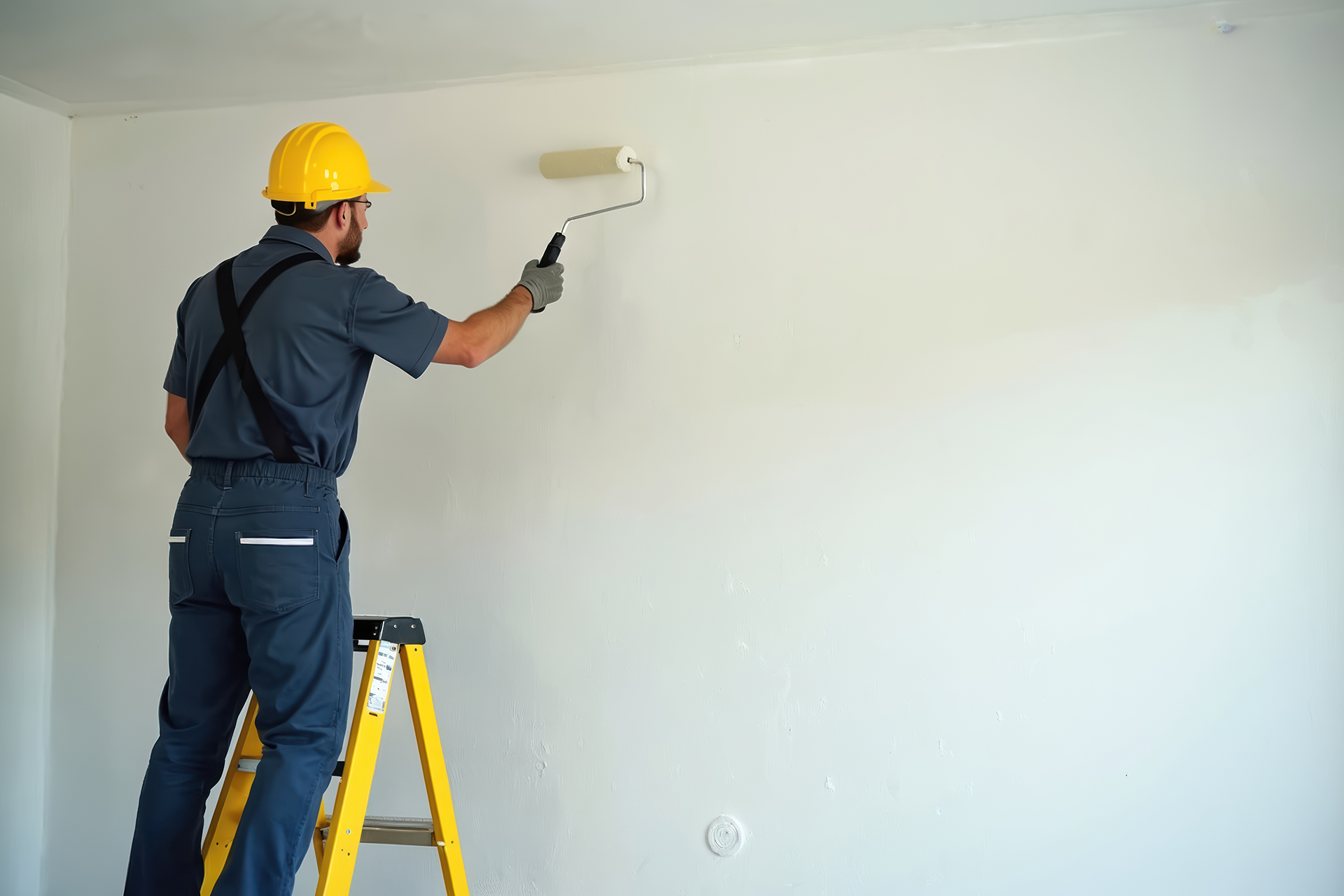
What should I expect before painting begins in Culver City?
Before a date is selected, the work areas are evaluated for condition and accessibility. The conversation covers belongings, repairs, sheen, samples, and details such as mixed old and new drywall, cabinet-heavy interiors, and active family spaces. This gives both sides a shared description of the preparation and painting to be completed.
Which paint colors work well in Culver City homes?
Owners often explore modern neutrals, muted greens, and energetic accent palettes. The right version depends on undertone and on the materials that will remain in the room. Sampling more than one candidate on the wall is more reliable than choosing from a small printed chip.
How is furniture and flooring protected during the project?
The crew confirms which items the owner will move and which can remain. Covered furniture, floor protection, masked hardware, and controlled pathways keep the work separated from the rest of the property. Protective materials are removed with care during cleanup.
Can painters correct wall damage before applying color?
Many cosmetic defects can be filled, sanded, or sealed before primer. Conditions involving mixed old and new drywall, cabinet-heavy interiors, and active family spaces are evaluated individually rather than hidden under extra paint. If damage suggests moisture or movement, its cause should be resolved before the finish schedule proceeds.
Do you paint commercial properties in Culver City?
Yes. Projects may range across media offices, restaurants, retail spaces, and flexible production facilities. Before work starts, the painter reviews operating hours, security, staging, odor sensitivity, and the level of wear each surface receives, then organizes the schedule around those constraints.
How do local conditions affect exterior paint planning?
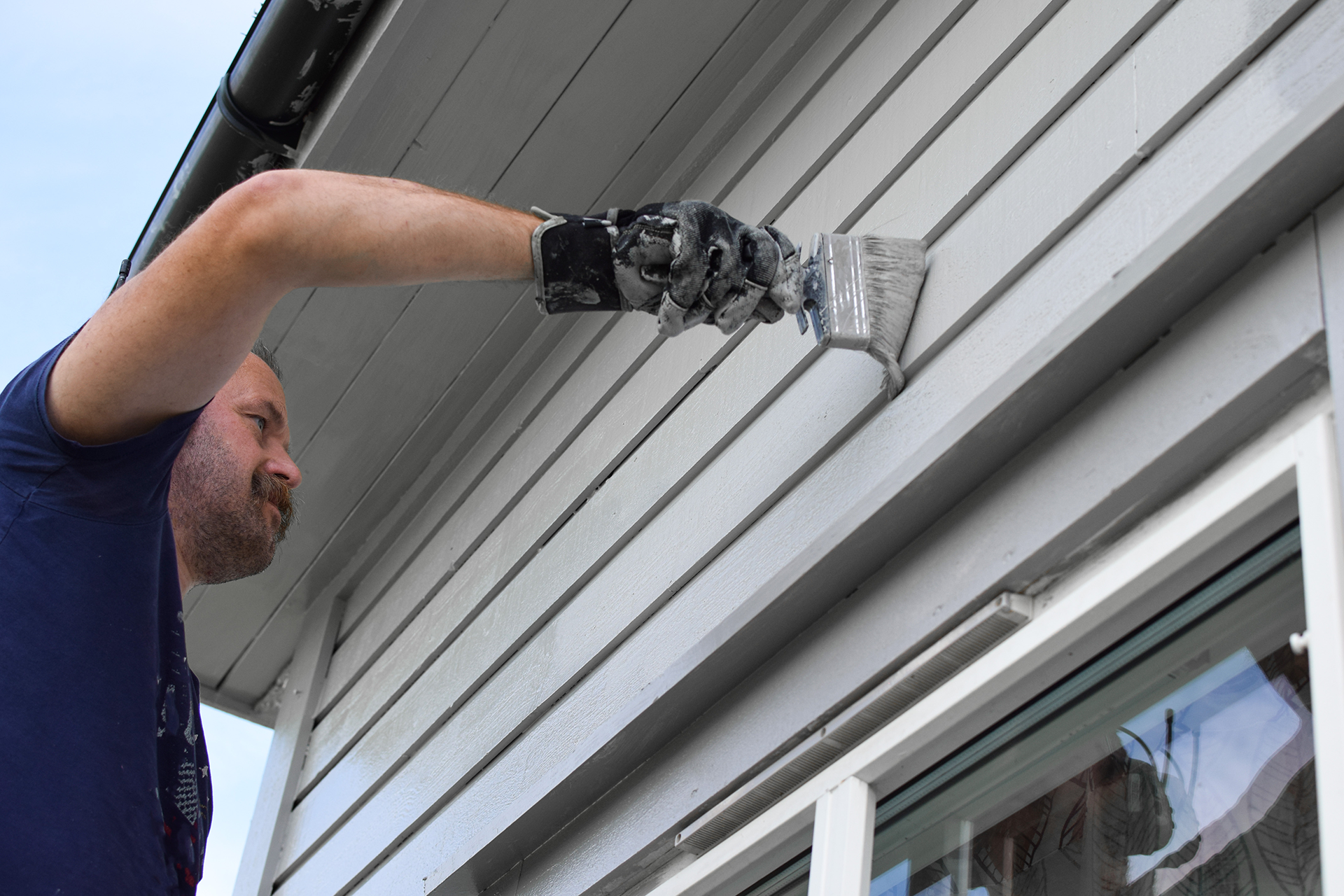
The exterior plan accounts for sunny inland afternoons tempered by occasional coastal influence. Surface temperature and moisture are checked, loose material is removed, and failed joints are identified before paint is applied. A suitable weather window matters as much as the product named on the can.
```
```