
Painting Services in Los Feliz
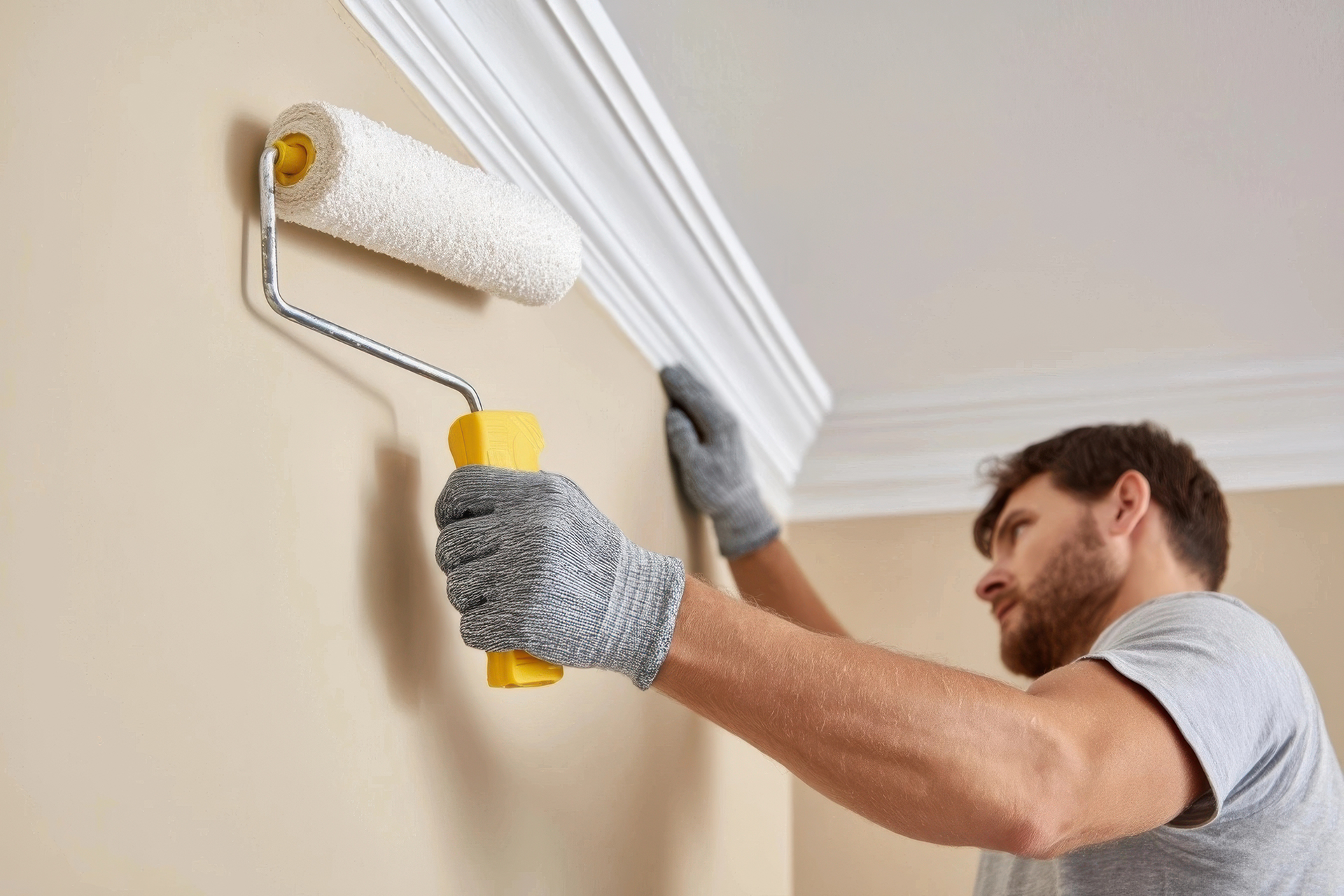
Interior Painting Planned for Los Feliz Properties
Painting is one of the fastest ways to renew a property when every detail is handled deliberately. A painter working in Los Feliz may encounter Spanish Colonial homes, hillside residences, vintage apartments, and stately traditional properties. The consultation is used to study old coatings, natural and artificial light, and how each room functions. With those details established, the scope can focus on a finish that belongs in the property instead of a generic treatment.
Schedule a Project WalkthroughCareful Preparation, Clean Results in Los Feliz
Common planning considerations include aged plaster, arched details, dark wood trim, and carefully preserved architectural features. A careful crew masks adjacent materials, shields floors and furniture, and resolves imperfections before opening the finish paint. Ideas such as historic earth pigments, botanical greens, and elegant creamy whites are evaluated against the room's light and permanent surfaces. That discipline produces cleaner lines and more even visual depth.
Talk With a Painting Professional
What should I expect before painting begins in Los Feliz?
The process normally opens with an on-site review rather than a price based only on room count. The professional checks substrates, measures the scope, and discusses aged plaster, arched details, dark wood trim, and carefully preserved architectural features. Protection methods and finish choices are documented so the Los Feliz project can be scheduled realistically.
Which paint colors work well in Los Feliz homes?
Owners often explore historic earth pigments, botanical greens, and elegant creamy whites. The right version depends on undertone and on the materials that will remain in the room. Sampling more than one candidate on the wall is more reliable than choosing from a small printed chip.
How is furniture and flooring protected during the project?
A room-preparation plan is agreed upon in advance. It can include grouped furnishings, full covers, protected traffic lanes, and masking for counters, hardware, and trim. At completion, coverings are lifted and the area is checked for a clean handoff.
Can painters correct wall damage before applying color?
Surface correction is a normal part of quality painting, but its extent matters. A professional reviews aged plaster, arched details, dark wood trim, and carefully preserved architectural features, distinguishes cosmetic work from deeper failure, and prices the agreed repair. Decorative paint is applied only after the base is dry, sound, and ready to accept it.
Do you paint commercial properties in Los Feliz?
Yes. Projects may range across neighborhood restaurants, boutiques, studios, and professional offices. Before work starts, the painter reviews operating hours, security, staging, odor sensitivity, and the level of wear each surface receives, then organizes the schedule around those constraints.
How do local conditions affect exterior paint planning?
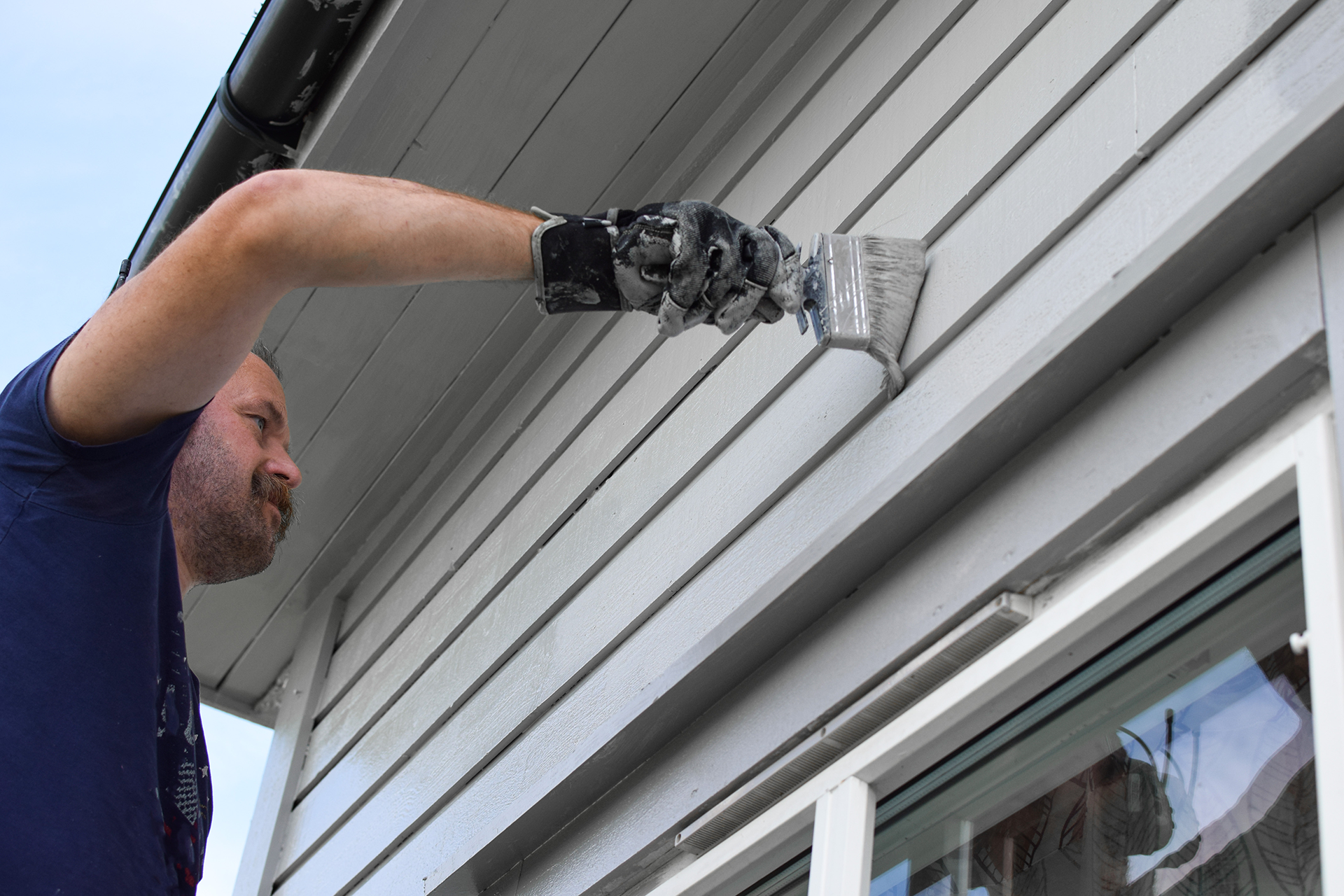
The exterior plan accounts for warm foothill sun, shaded streets, and seasonal moisture near landscaping. Surface temperature and moisture are checked, loose material is removed, and failed joints are identified before paint is applied. A suitable weather window matters as much as the product named on the can.
```
```