
Painting Services in Malibu

Interior Painting Planned for Malibu Properties
A successful paint project starts with understanding the building, not simply choosing a color. Across Malibu, oceanfront homes, canyon residences, hillside estates, and contemporary retreats create very different painting requirements. Experienced professionals look at the walls up close, note how light moves through the space, and discuss how the rooms are used. This groundwork supports an organized project and a final palette that reads as one considered composition.
Request a Detailed Painting EstimateCareful Preparation, Clean Results in Malibu
Preparation in this area can involve salt residue, large glazed openings, specialty surfaces, and demanding access conditions. Floors and belongings are protected, work zones are kept orderly, and compatible primer is used where repairs or the substrate call for it. A palette built around sand-inspired neutrals, soft whites, and colors that frame ocean views can then be tested in the actual light. The finished edges, coverage, and sheen benefit from that patient sequence.
Ask for a Local Painting Quote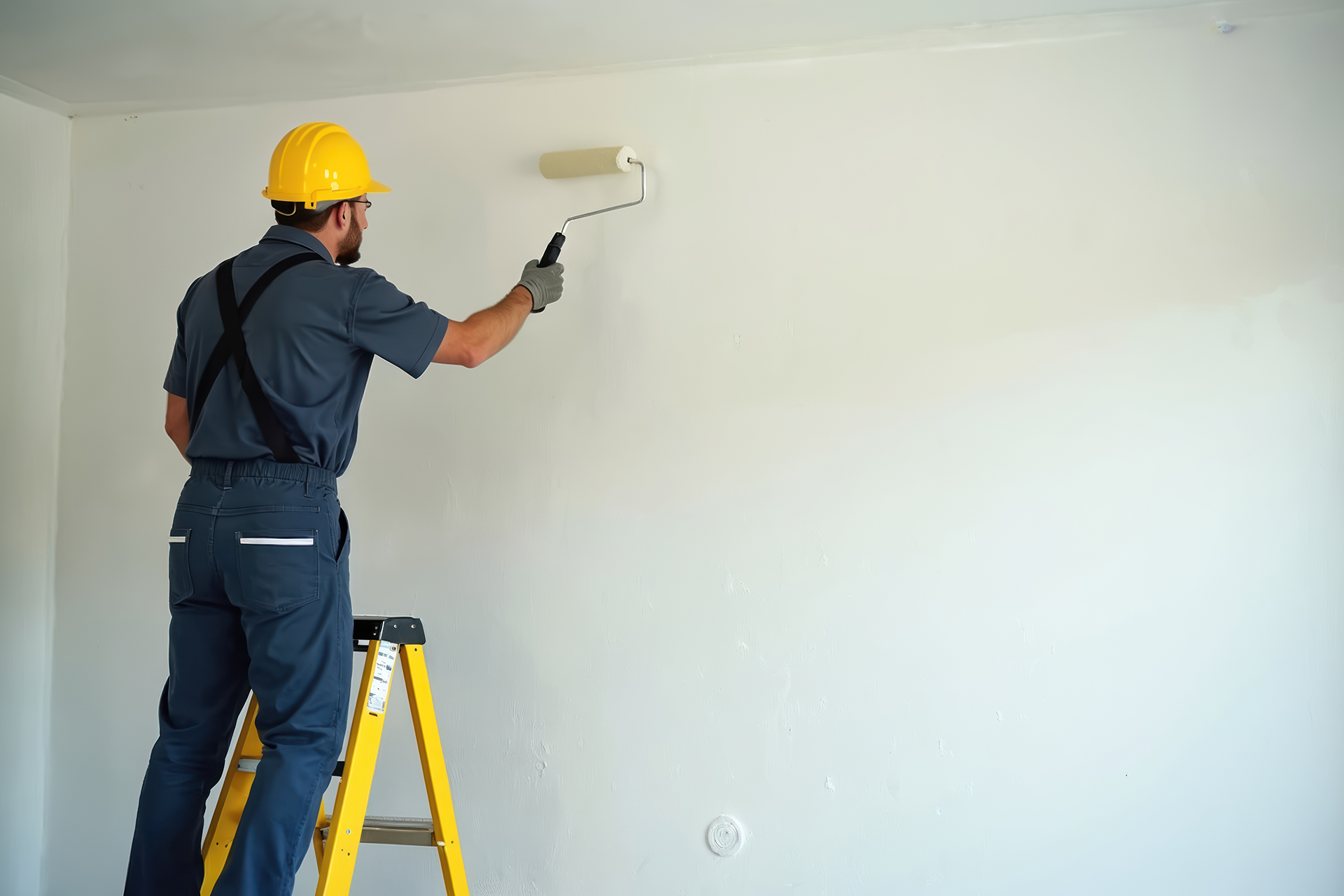
What should I expect before painting begins in Malibu?
Before a date is selected, the work areas are evaluated for condition and accessibility. The conversation covers belongings, repairs, sheen, samples, and details such as salt residue, large glazed openings, specialty surfaces, and demanding access conditions. This gives both sides a shared description of the preparation and painting to be completed.
Which paint colors work well in Malibu homes?
Color direction should come from the property's light and fixed finishes. In Malibu, requests frequently include sand-inspired neutrals, soft whites, and colors that frame ocean views. Larger brush-outs let clients compare depth in daylight, shadow, and evening illumination before purchasing all of the paint.
How is furniture and flooring protected during the project?
A room-preparation plan is agreed upon in advance. It can include grouped furnishings, full covers, protected traffic lanes, and masking for counters, hardware, and trim. At completion, coverings are lifted and the area is checked for a clean handoff.
Can painters correct wall damage before applying color?
Small holes, shallow cracks, rough patches, and deteriorated caulk are often handled as preparation. Because salt residue, large glazed openings, specialty surfaces, and demanding access conditions may require different materials, the painter identifies the repair method in the scope. Active leaks or structural movement need correction by the appropriate trade first.
Do you paint commercial properties in Malibu?
Local commercial scopes include boutique hospitality, wellness spaces, galleries, and coastal businesses. Coating performance and appearance are considered alongside access and business continuity. Where practical, crews can divide the work into sections or coordinate low-traffic periods.
How do local conditions affect exterior paint planning?
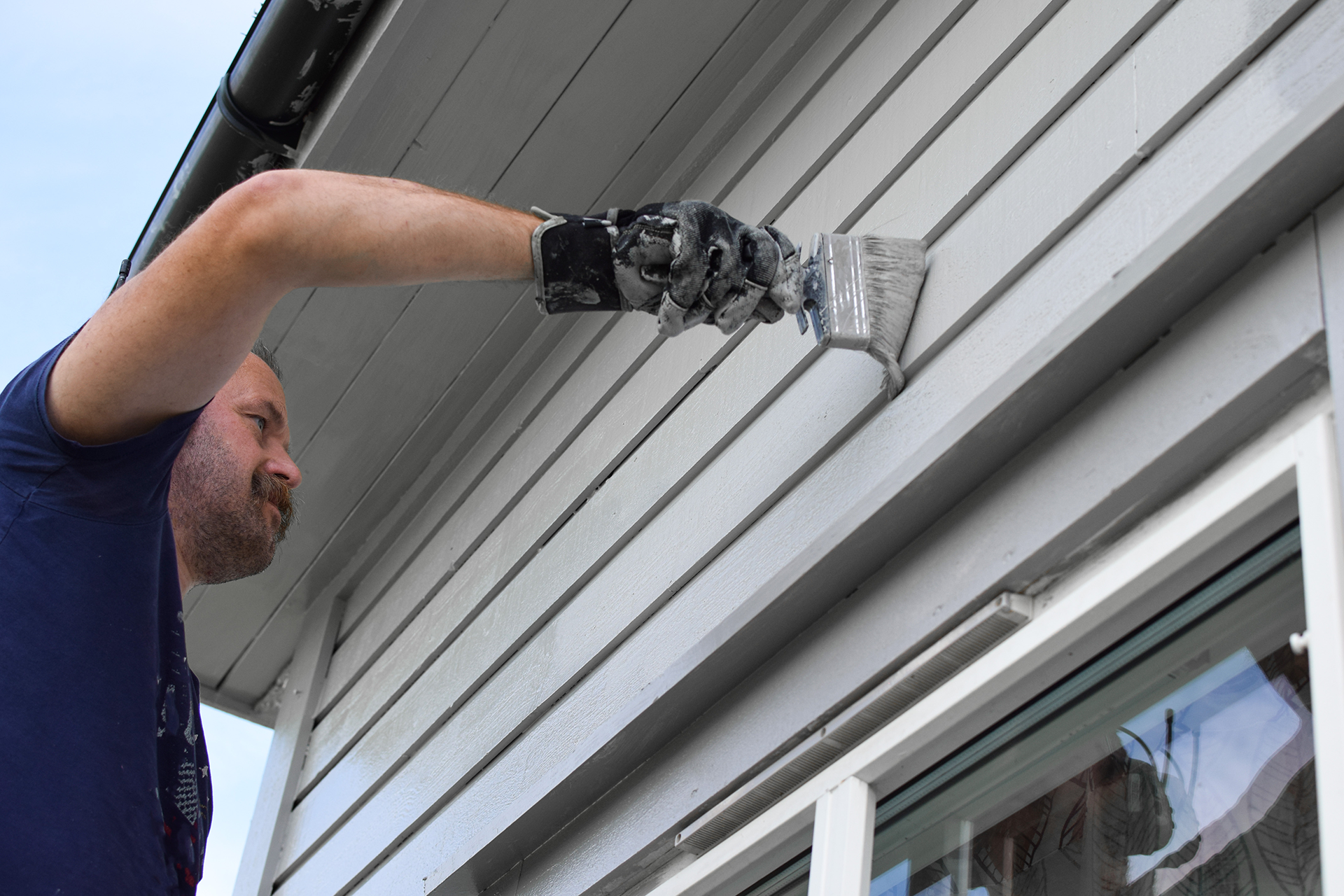
Conditions such as marine air, wind, salt, and powerful ultraviolet exposure affect both timing and durability. The painter evaluates exposure on each elevation, verifies that surfaces are ready, and follows product limits for temperature and moisture. Work pauses when the environment falls outside those limits.
```
```