
Painting Services in Northridge
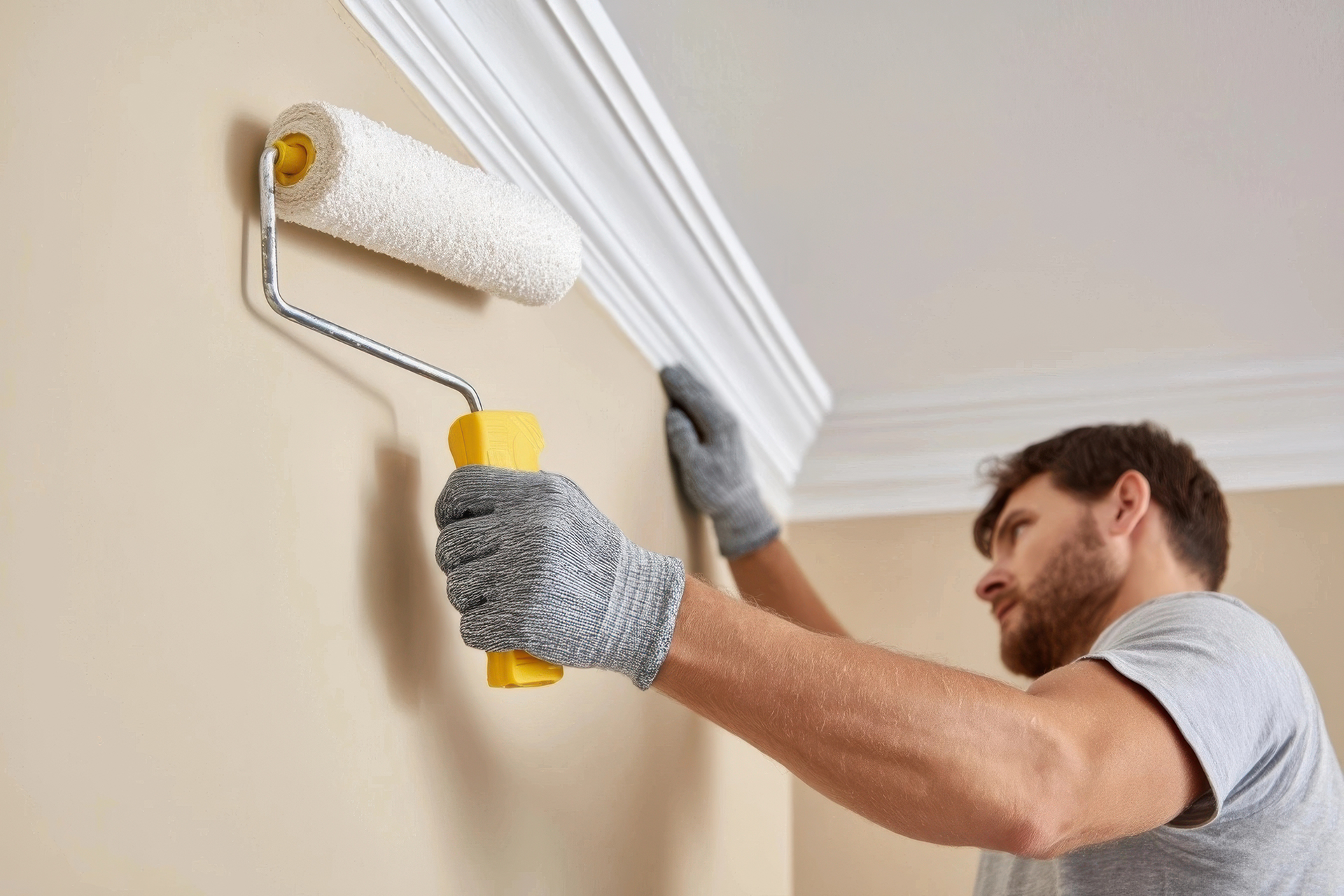
Painting Solutions Shaped Around Northridge
Homes and businesses here deserve finishes planned around their architecture and daily use. Across Northridge, postwar ranch homes, larger suburban properties, apartments, and student-oriented housing create very different painting requirements. Experienced professionals look at the walls up close, note how light moves through the space, and discuss how the rooms are used. This groundwork supports an organized project and a final palette that reads as one considered composition.
Discuss Your Painting ProjectFrom Surface Repair to the Final Coat in Northridge
Here, painters frequently plan around settlement cracks, heavily used rooms, varied drywall repairs, and textured surfaces. The work area is contained, vulnerable finishes are covered, and unstable or uneven spots are corrected in the agreed scope. Durable light neutrals, practical accent colors, and fresh trim contrasts are among the directions owners may consider. Methodical preparation allows those colors to look smoother and more consistent.
Start Your Color and Finish Plan
What should I expect before painting begins in Northridge?
Before a date is selected, the work areas are evaluated for condition and accessibility. The conversation covers belongings, repairs, sheen, samples, and details such as settlement cracks, heavily used rooms, varied drywall repairs, and textured surfaces. This gives both sides a shared description of the preparation and painting to be completed.
Which paint colors work well in Northridge homes?
Color direction should come from the property's light and fixed finishes. In Northridge, requests frequently include durable light neutrals, practical accent colors, and fresh trim contrasts. Larger brush-outs let clients compare depth in daylight, shadow, and evening illumination before purchasing all of the paint.
How is furniture and flooring protected during the project?
A room-preparation plan is agreed upon in advance. It can include grouped furnishings, full covers, protected traffic lanes, and masking for counters, hardware, and trim. At completion, coverings are lifted and the area is checked for a clean handoff.
Can painters correct wall damage before applying color?
Surface correction is a normal part of quality painting, but its extent matters. A professional reviews settlement cracks, heavily used rooms, varied drywall repairs, and textured surfaces, distinguishes cosmetic work from deeper failure, and prices the agreed repair. Decorative paint is applied only after the base is dry, sound, and ready to accept it.
Do you paint commercial properties in Northridge?
Commercial painting is available for educational facilities, medical offices, retail centers, and restaurants. The proposal can address after-hours access, occupied zones, durable products, ventilation, and phased completion. Those decisions help reduce interference with staff, residents, or customers.
How do local conditions affect exterior paint planning?
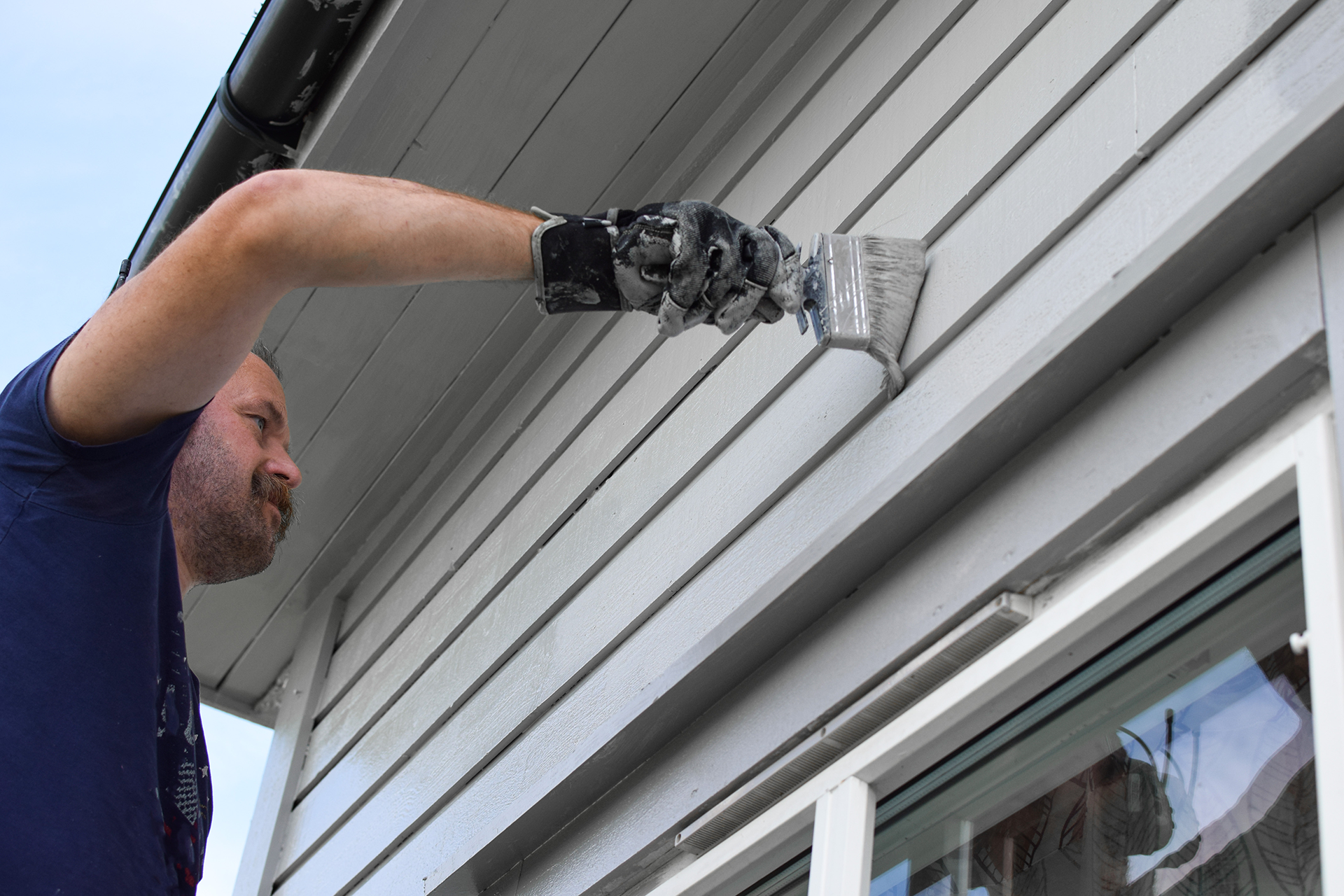
In Northridge, crews must plan around high summer temperatures, dry winds, and considerable sunlight. Cleaning, drying time, adhesion testing, and sealant condition influence the start date and coating choice. Stable preparation is essential because a premium finish will not bond reliably to dirt or failing paint.
```
```